Posts

Showing posts with the label animals

Scientists Issue Plan for Rewilding the West With Gray Wolf and North American Beaver
Image
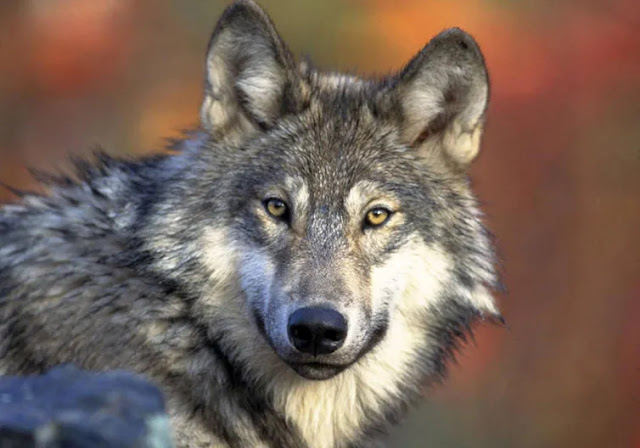
Ecosystem restoration in the US West has attracted substantial public attention as the consequences of climate change worsen. President Joe Biden's America the Beautiful plan, which aims to protect 30% of US land and water by 2030, has helped to support this. William J. Ripple and 19 other authors provide a "Western Rewilding Network" proposal as a follow-up to the Biden plan in the journal BioScience. It consists of 11 sizable reserve areas on property that the federal government currently owns. In addition to the restoration of two important species, the gray wolf and the North American beaver, the authors call for the end of cattle grazing on some federal areas. The authors claim that beavers and wolves are well known for their ability to have a significant impact on an ecosystem. They cite as an example how beavers "enrich fish habitat, increase water and sediment retention, maintain water flows during drought, provide wet fire breaks, improve water quality, init...

These Spiders Look Like They're in REM Sleep... Which Could Mean They're Dreaming

Image
A recent finding about leaping spiders may call into question some very significant human presumptions about arthropods' cognitive capacities. It's possible that these tiny spiders are not only sleeping, but also dreaming, entering a sleep state that is fascinatingly similar to the rapid eye movement (REM) sleep seen in humans and other vertebrates, according to a study that looked at the movements of their eyes and bodies while they slept. This may deepen our understanding of REM sleep, its effects on animal cognition, and other sleep-related phenomena. The majority of sleep research to far has been centered on vertebrate animals. It has only lately been discovered that invertebrates, namely cephalopods like cuttlefish and octopuses, exhibit signs of REM sleep. The topic of whether these creatures dream has been brought up. Which additional species of animals sleep during REM? Maybe finding the answers to these queries will help us to understand even more puzzling issues, like...

How zoology got female animals all wrong

Image
Since Charles Darwin's time, zoology has been influenced by the preconceptions of hulking male and submissive female animals. Today, textbooks and wildlife films still much too frequently support this perspective. A new book dispels this sexist, um, myth and provides a more thorough account of the function of female animals in the environment. Animals are frequently used to illustrate the inherent differences between male and female people, as well as the idea that men are built to claim alpha position while women are meek. This is why the tale is important. According to documentary filmmaker and author Lucy Cooke, whose book "Bitch: On the Female of the Species," which will be released in the United States on Tuesday, that viewpoint has been grossly exaggerated and doesn't hold up when you consider the diversity of the animal species. According to Cooke, female animals are as as promiscuous, aggressive, competitive, and dynamic as their male counterparts and are equa...

6 surprising things about bees on World Bee Day

Image
There are many reasons to adore bees. As they transfer pollen from plant to plant, pollinating more than a hundred fruits and vegetables including strawberries, potatoes, and apples, they are essential to the growth of many of our favorite and healthiest foods. Although there are things you can do to help them grow, many bee species are unfortunately in danger due to changes in land use, pesticides, intensive agriculture, and climate change. Here are six interesting facts about nature's busiest pollinators that you might not be aware of in honor of World Bee Day on May 20. 1. Bees like doing the "waggle dance" Bees use dance to communicate and make choices. A honeybee does a waggle dance to promote and argue the merits of a new nest as it searches it out and inspects it. The bee dances longer and more vigorously in better sites. If a different bee comes into contact with a dancing bee, she will fly out to investigate the area, and if she likes it, she will waggle as well....